Having spent most of my professional life working in the nonprofit sector (and a lot of time volunteering for nonprofits in my personal life), I understand the importance of both funding and community goodwill to the mission of a nonprofit organization. This section contains an example of my grant writing work for the Pipsqueakery, as well as various documents I have created to help boost community outreach and internal efficiency at several other community organizations in Bloomington, Indiana.
The Pipsqueakery
I have worked extensively with The Pipsqueakery, a 501(c)(3) small animal and wildlife rescue. Below, you will find examples of a wide variety of documents I have produced for the rescue, from marketing materials to an analysis of wastewater treatment options for a new facility:
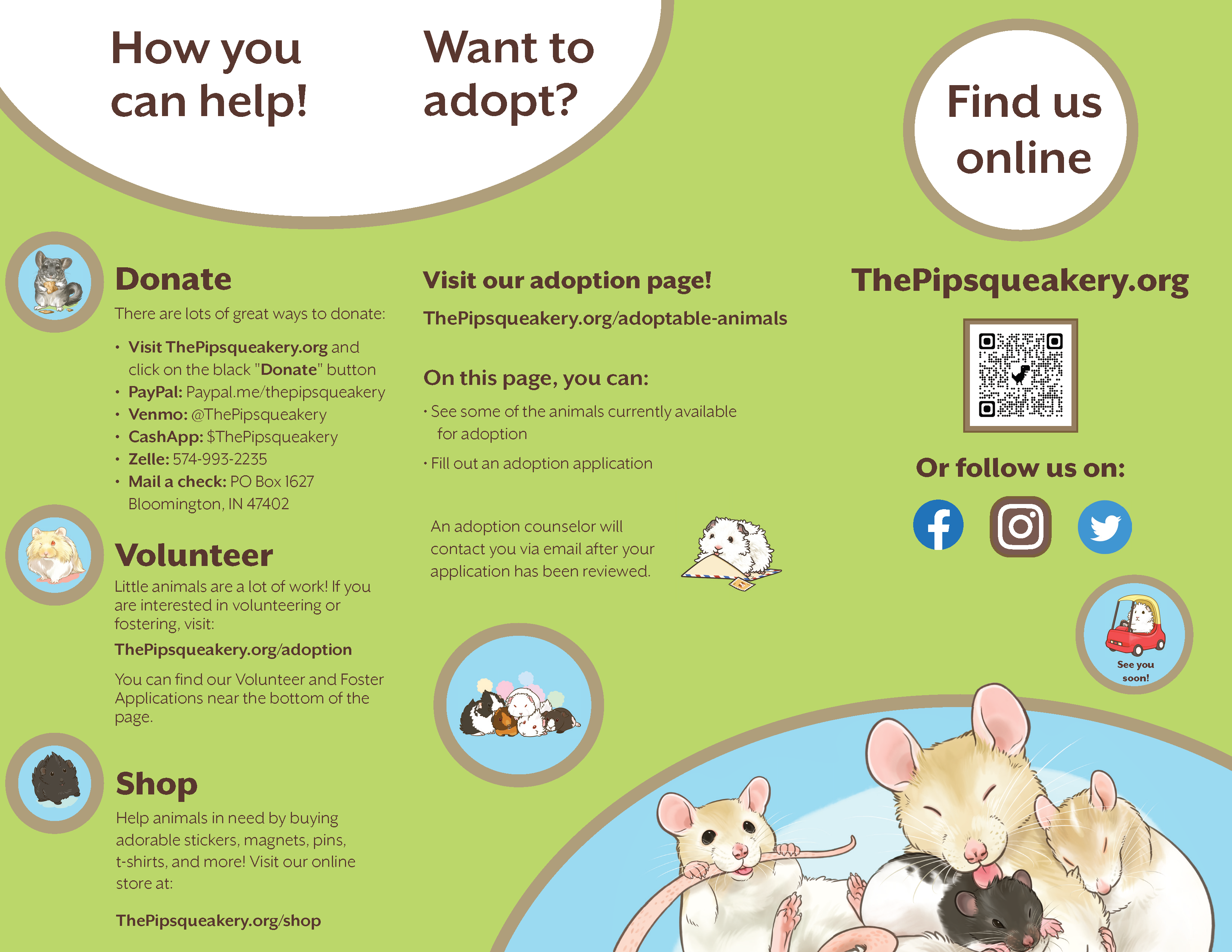
This is an informational trifold brochure I designed for the Pipsqueakery using Adobe InDesign.
I also used InDesign to create this set of adoption instructions, though the Pipsqueakery later discontinued their adoption program in favor of adopting through partner agencies.

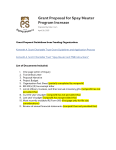
This is a lengthy grant proposal I wrote in support of funding to increase the capacity of The Pipsqueakery’s spay/neuter program for adoptable animals.
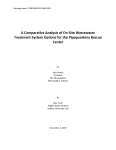
I wrote this comparative analysis of wastewater treatment options for The Pipsqueakery in preparation for the construction of a new facility in a rural area without access to municipal wastewater treatment.
City of Bloomington Animal Care and Control
I have also worked with nonprofit organizations to improve the accessibility and readability of instructional materials for volunteers. This document is a markup copy of a set of instructions for volunteer dog walkers that I revised for City of Bloomington Animal Care and Control.
Maple Heights Historic District
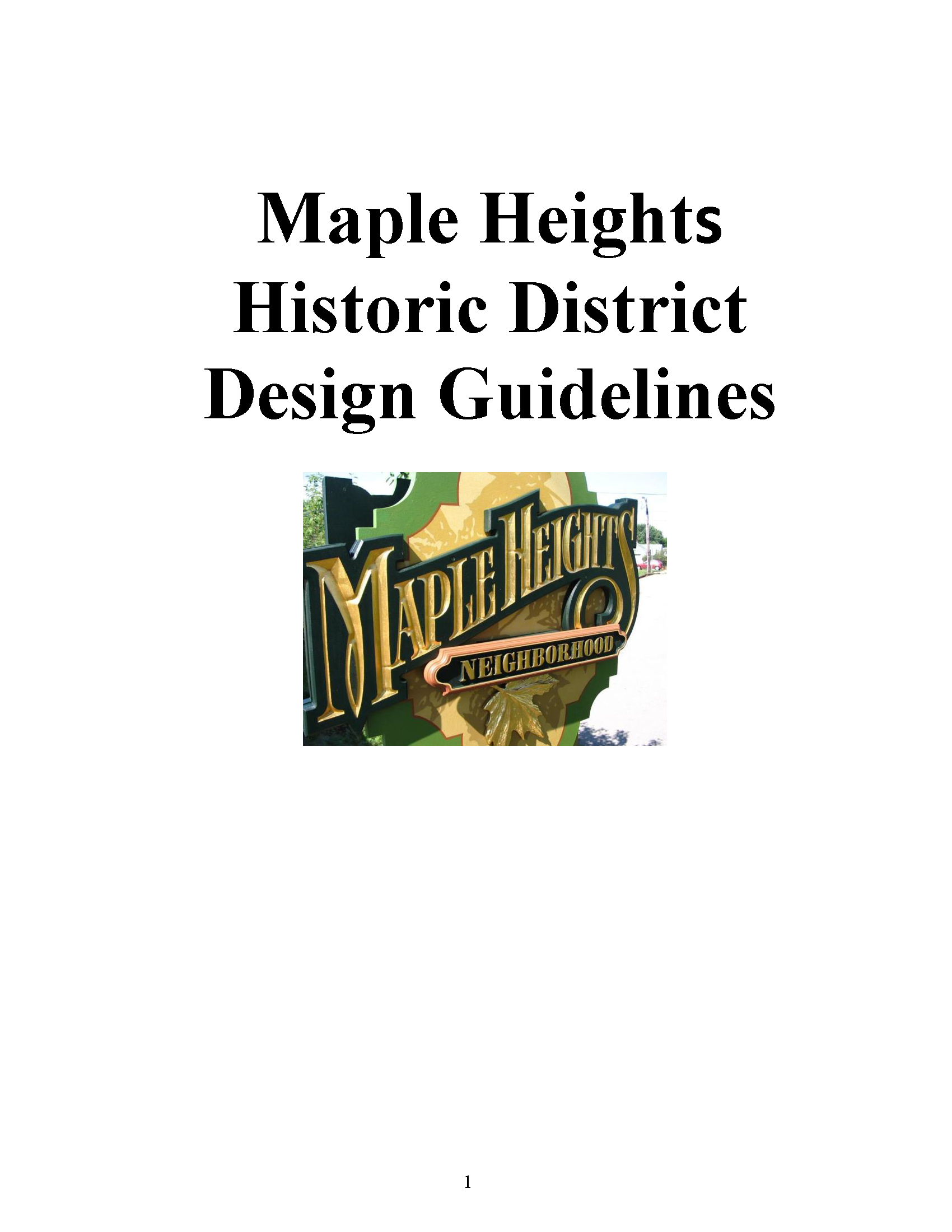
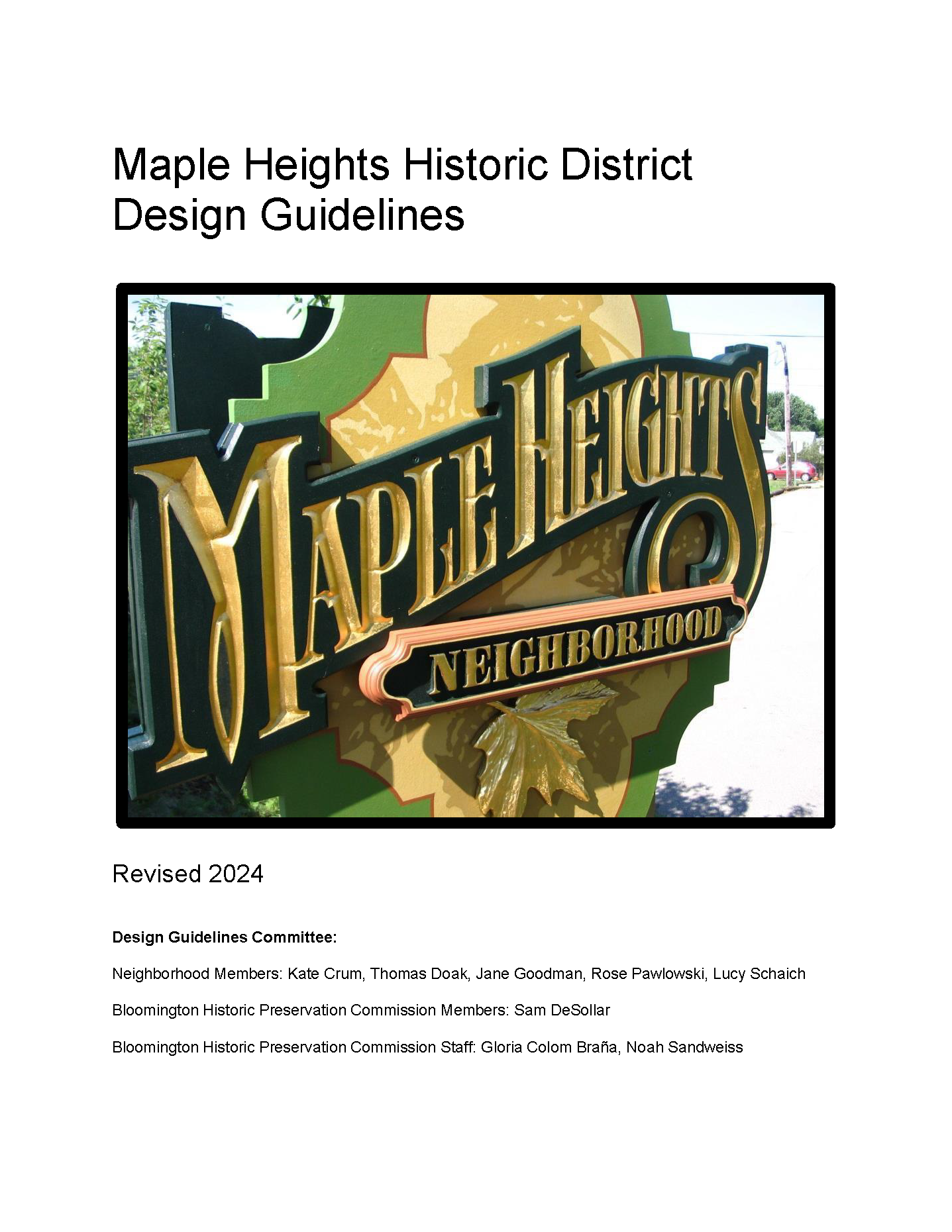
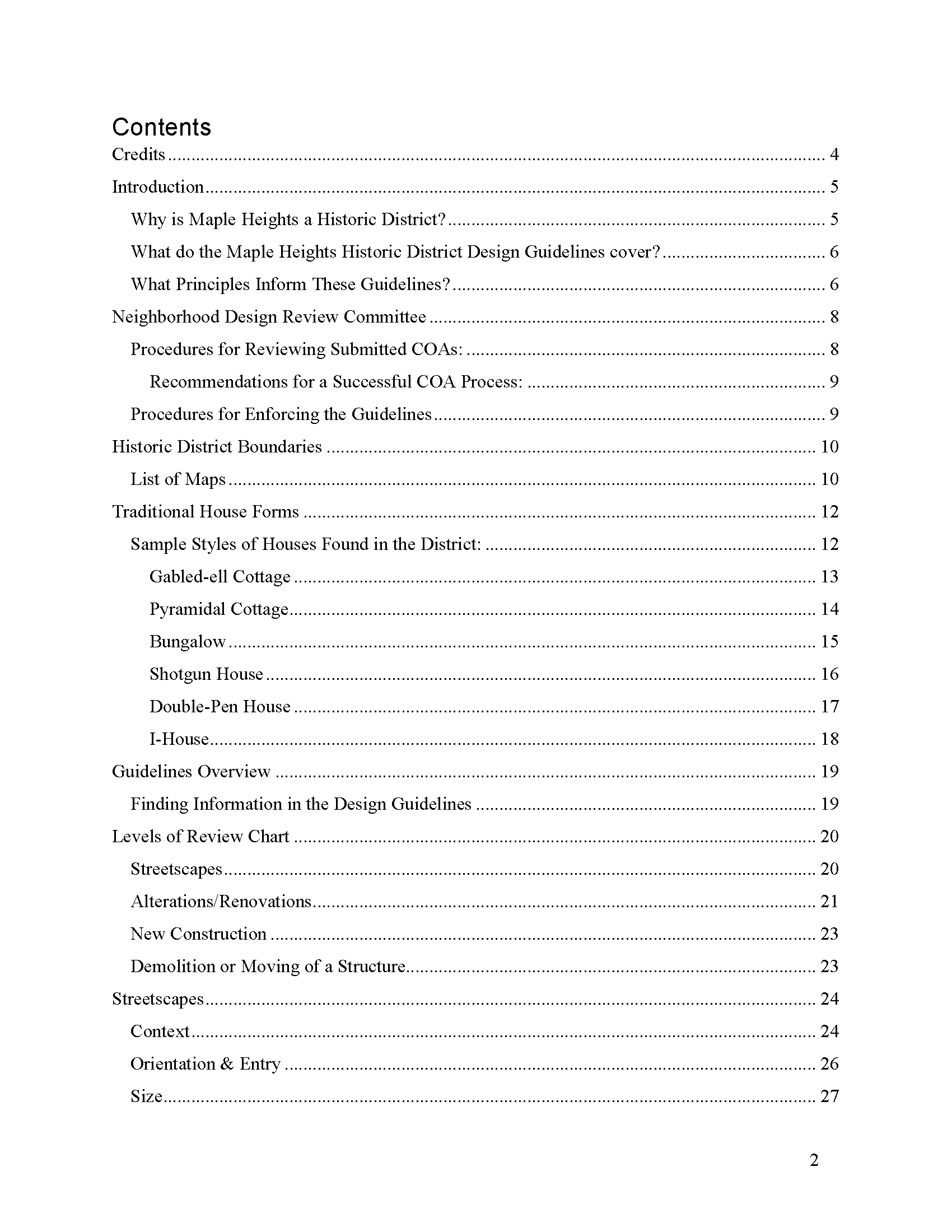
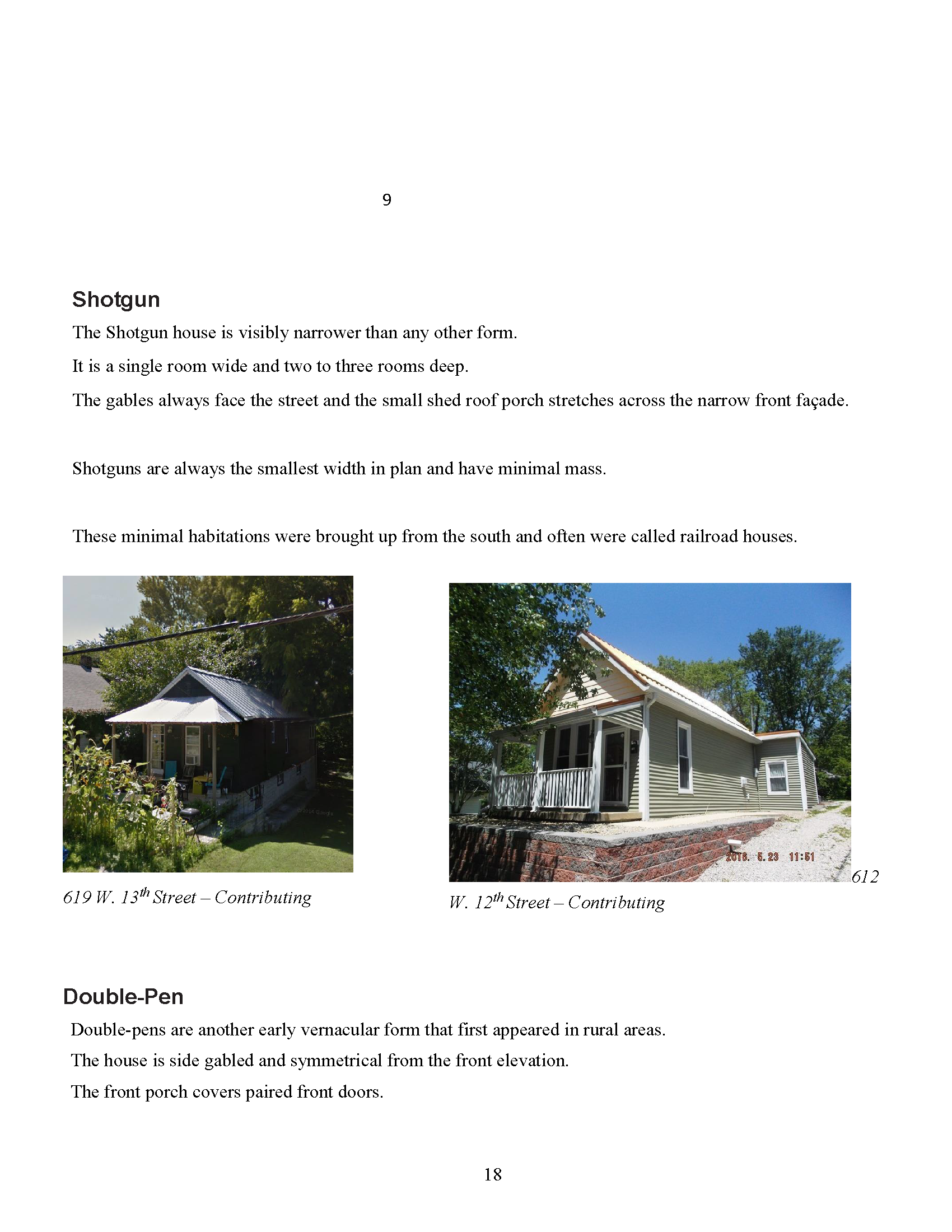
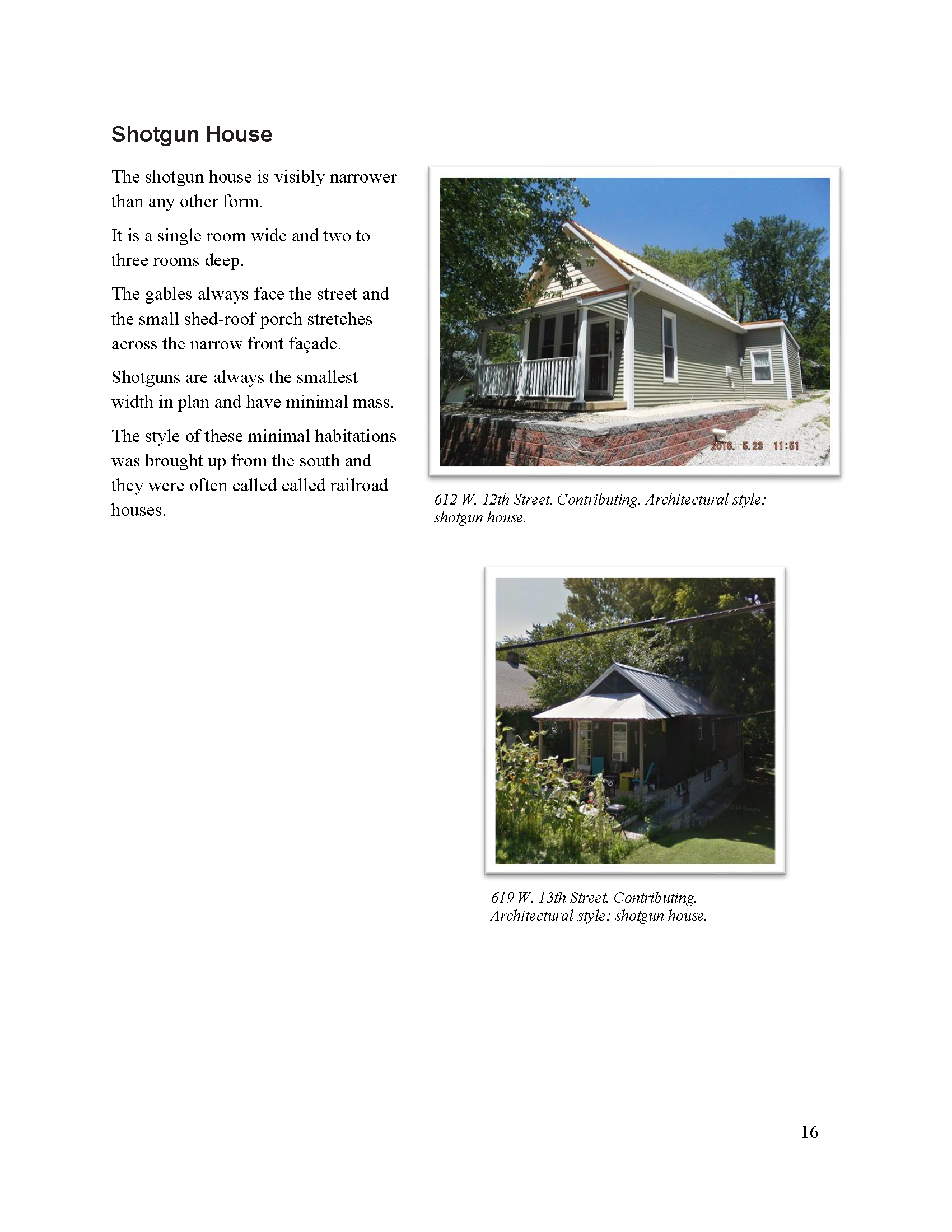
Another revision for accessibility and readability, this time for the Maple Heights Historic District. These are “before and after” examples from a full format revision I completed on a set of historic district guidelines (the finished document is 49 pages in length). A member of the city of Bloomington’s historic district review committee praised the document as one of best sets of guidelines he’d seen from a neighborhood committee:


 Kate Crum